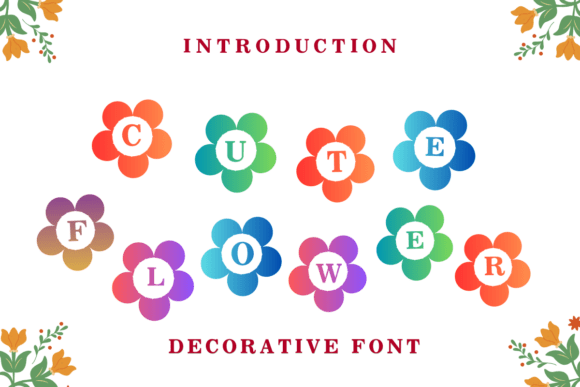
Flower Cute: A Decorative Font for Creative Branding Projects
I was halfway through designing a brand identity for a new boutique when I stumbled upon Flower Cute, a decorative font that instantly caught my eye. It had this soft, playful energy that felt perfect for the kind of brand we were building—one that wanted to feel warm, approachable, and a little whimsical. As I tested it on mockups, I realized how well Flower Cute could bring personality to even the most straightforward branding elements.
Flower Cute in Logo Design for a Handmade Shop
The first time I used Flower Cute was on a logo draft for a small handmade soap shop. The client wanted something that screamed “natural” and “handcrafted.” I tried a few fonts, but nothing quite captured the right vibe until I dropped Flower Cute into the mix. Its floral curves and gentle serifs gave the logo a sense of care and craftsmanship that matched the brand’s values perfectly. It wasn’t just about looking pretty—it was about feeling right.
What stood out was how well Flower Cute balanced playfulness with professionalism. It didn’t scream “childish,” which is a common pitfall with decorative fonts. Instead, it added a touch of charm that elevated the overall design without compromising readability.
Testing Flower Cute on Packaging Mockups
Next, I moved on to packaging mockups. The shop sold everything from lavender-scented soaps to beeswax wraps, and the labels needed to reflect that natural, artisanal feel. Flower Cute fit like a glove. I experimented with different weights and spacing, and it turned out that using it as a headline font worked best. Pairing it with a clean sans serif for body text kept the design cohesive while letting Flower Cute shine as the visual anchor.
I also noticed that Flower Cute looked especially good on small surfaces—like label stickers or product tags. It didn’t lose its clarity, which is crucial for branding that needs to be legible at a glance.
Flower Cute for Social Media Graphics and Website Headers
As I built out the brand’s digital assets, I found myself reaching for Flower Cute again and again. For social media graphics, it worked wonders on Instagram posts and Facebook ads. Its delicate flourishes made headlines pop without overwhelming the content. I used it on hero sections of the website too, where it helped draw attention to key messages while maintaining a friendly tone.
One thing I learned early on was that Flower Cute isn’t a font you want to use for long paragraphs. But when used sparingly—as a display font or headline—it added just the right amount of character. It’s great for short-form text, like taglines or call-to-action buttons, where its decorative style can make a bigger impact.
Pairing Flower Cute with Other Fonts for Brand Consistency
To keep the brand’s visual language consistent across platforms, I paired Flower Cute with a modern sans serif font. This combo worked really well for things like menus, flyers, and promotional emails. The contrast between the two fonts created a nice balance—playful yet professional, creative yet clear.
I also checked if Flower Cute came with any alternate characters or ligatures. While there weren’t many, the ones included did help add a bit more flair to the typography without making it look cluttered. It was a small detail, but one that made a difference in the final outcome.
Flower Cute in Printed Materials and Business Cards
When it came time to create printed materials, I knew Flower Cute would be a solid choice. I used it on business cards, flyers, and even signage for the shop’s physical location. On paper, the font had a tactile quality that felt almost hand-drawn, which added to the brand’s authenticity.
For the business cards, I went with a minimalist layout, using Flower Cute for the name and a clean sans serif for contact info. It was subtle but effective. People remembered the card because of the unique font, and it helped reinforce the brand’s personality in a memorable way.
Practical Tips for Using Flower Cute in Real Projects
If you’re considering Flower Cute for your next project, here are a few tips I picked up along the way:
- Test it before committing: Use it in low-stakes places first, like mood boards or sample designs, to see how it feels in context.
- Use it as a display font: It works best in short bursts, not for large blocks of text.
- Pair it wisely: Choose complementary fonts that enhance, not compete with, its style.
- Check file formats: Make sure you have access to the right versions for print and web use.
- Consider licensing: If you're using it for commercial projects, confirm that the license allows for that kind of use.
Flower Cute is more than just a decorative font. It’s a tool that can help shape the personality of a brand in subtle yet meaningful ways. Whether you're working on a logo, packaging, or digital assets, it has the potential to bring warmth, creativity, and a touch of elegance to your design work.